

Picture a Sunday family lunch in 2024: the roast is perfect, the conversation is flowing, and everyone's gathered around the dining table. Then, twenty minutes in, your guests start shifting in their seats. Someone's rubbing their lower back. A child is kneeling because the chair feels too hard. By dessert, half the table has migrated to the living room couch. Now imagine the same meal on well-padded, supportive dining room chairs, everyone lingers for second helpings, the conversation stretches past coffee, and nobody wants to leave.
That contrast isn't about the food. It's about the seating.
When we talk about comfortable seating, we mean chairs with proper seat height (around 18–20 inches), supportive backs that follow your spine's natural curve, quality cushioning that doesn't flatten after a few months, and stable frames built from wood, metal, or engineered materials. Comfortable dining room chairs transform every meal, from rushed weekday breakfasts to long holiday celebrations, into experiences that are more enjoyable, healthier, and genuinely more social. Don't be afraid to play with different seating arrangements or design ideas to discover what works best for your space and comfort.
This article covers everything you need to know about why comfort matters at the dining table:
-
Health benefits: How proper seating protects your back, aids digestion, and prevents circulation problems
-
Mood and social effects: Why supportive chairs keep dinner guests at the table longer and conversations deeper
-
Design and ergonomics: Practical measurements and style tips for creating a visually appealing dining space
-
Shopping guidance: How to test and choose chairs, benches, and stools that actually deliver comfort
How Seating Comfort Shapes Every Meal (From Breakfast to Late-Night Snacks)
Different meals make different demands on your body. A quick weekday breakfast might last ten minutes, while a Saturday dinner with friends could stretch past three hours. But every single meal suffers when seating is poor, and each type of meal has its own comfort requirements.
Breakfast often happens at a kitchen counter on stools or at a small two-seater table. When those stools lack footrests or have hard, narrow seats, you start the day already feeling rushed and uncomfortable. Stable, well-cushioned breakfast seating lets you wake up gently, sip your coffee, and actually digest your meal before jumping into the day. The difference between a wobbly bar stool and a supportive counter chair with a proper back height can set the tone for your entire morning.
Lunch has changed dramatically since 2020, with millions of people now eating at home during work hours. If you're hunched over a coffee table on a sofa or perched on a backless stool at the kitchen island, mid-day fatigue hits faster. Research on dining environments shows that eating in an upright, supported position helps you stay more alert and focused. Comfortable dining chairs at a proper table can turn lunch from a forgettable interruption into a genuine rest for your mind and body.
Just as restaurant seating is carefully designed to keep guests comfortable and encourage them to stay longer, applying similar seating principles at home can greatly enhance your own meal experiences.
Dinner is where seating comfort matters most. An average family dinner of 45–60 minutes can feel either relaxing or exhausting, depending on chair support. Padded, ergonomic dining room chairs or upholstered seating encourage people to stay longer, talk more, and actually savor their food. When chairs have plush cushions and proper lumbar support, even a two-hour dinner party feels like a pleasure rather than an endurance test.
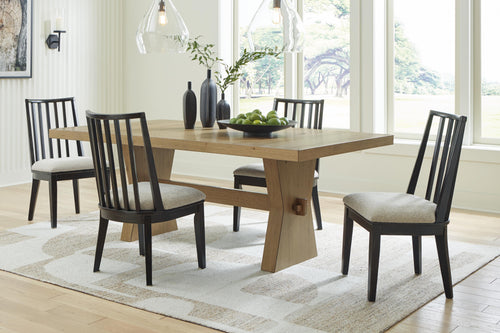
The Hidden Health Impact of Uncomfortable Seating
Most people don't connect their dining chairs to their health, but sitting on uncomfortable furniture for multiple meals every day, month after month, takes a real toll. Back pain, neck strain, poor circulation, and even digestive issues can all be traced back to inadequate dining seating.
Posture problems develop when chairs are too low, too high, or offer no support for the lower back. Without proper lumbar support, your spine collapses into a C-shape rather than maintaining its natural S-curve. Over time, this leads to chronic discomfort, muscle fatigue, and tension headaches. The most comfortable dining chairs keep your back straight and supported without forcing you into a rigid, uncomfortable position.
Digestion also depends on how you sit. When your hips and knees are at roughly 90-degree angles, and your torso is upright, your stomach and intestines can work efficiently during and after meals. A study at Texas Health hospitals found that eating while sitting upright in a chair had a significant positive impact on food consumption compared to eating in bed or slouched positions. This isn't just about hospital patients; the same principle applies to everyone at every meal.
Circulation suffers on hard seats with sharp front edges. These designs compress the backs of your thighs, reducing blood flow and causing numbness, especially during long meals or holiday gatherings when you might spend two or more hours at the table. Contoured seats with rounded edges and adequate cushioning prevent this pressure and keep blood flowing normally.
For optimal health, aim for these ergonomic guidelines:
-
10–12 inches of space between the seat height and the tabletop
-
24–26 inches of width per person along the table for elbow room
-
Seat depth of 16–18 inches, so feet rest flat on the floor
-
Chairs that allow you to sit comfortably without slouching or straining
Using the right word or terminology, such as 'lumbar support' or 'contoured seat,' helps consumers clearly understand and choose the best ergonomic features for their needs.
Emotional Well-Being and Social Connection Around the Table
The dining table is often the emotional center of a home. Birthdays, anniversaries, exam results, difficult conversations, and ordinary Tuesday dinners all happen there. Comfortable seating shapes these moments more than most people realize.
When chairs are supportive and cushioned, people relax. They put away their phones. They stay at the table long enough for real conversation to develop, not just the quick exchange of daily logistics, but the deeper discussions that strengthen family bonds and friendships. Research shows that shared meals enhance happiness, life satisfaction, and a sense of belonging. But those benefits only materialize when people actually want to stay seated.
Consider the opposite scenario: guests fidgeting, shifting their weight, rubbing their backs. Someone mentions they need to "stretch their legs" after just twenty minutes. Children ask to be excused before finishing their meals. The meal ends early, not because anyone wanted it to, but because sitting became uncomfortable. Hard metal chairs without cushions, wobbly frames, or seats too narrow for adult bodies create this dynamic.
Supportive chairs and benches make a particular difference for guests with specific needs. Elderly family members can participate fully in long holiday dinners without back pain. Pregnant relatives can sit comfortably for an entire meal. Children in properly sized seating actually stay at the table rather than sliding off or kneeling. When everyone at your table feels physically at ease, conversation flows more naturally, and meals become the connective ritual they're meant to be.
Investing in comfortable dining chairs is also a form of hospitality. Your seating tells visitors that you planned for their comfort, not just for appearances. Comfy chairs with proper arms and cushions say "stay awhile" in a way that hard, stylish-but-punishing seats never can.

Design Meets Comfort: Creating a Cohesive, Inviting Dining Space
Here's the good news for 2024: you don't have to choose between a stylish dining area and chairs people can actually sit in for two hours. Modern furniture design has finally embraced the idea that beautiful pieces should also feel good.
Matching seating to your table is the first consideration. Rectangular tables pair well with upholstered chairs that have straight backs. Round tables often look better with curved-back chairs that echo the table's shape. Narrow dining spaces benefit from slim, armless chairs that don't take up more space than necessary while still providing adequate support and cushion.
Materials matter for both aesthetics and comfort. Solid wood frames offer durability and a traditional look. Metal chairs bring a modern edge but need seat pads or upholstered seats to avoid that cold, hard feeling. Molded plastic shells work in casual settings and can be transformed with the right cushion. The key is recognizing that a beautiful frame becomes truly comfortable only when paired with quality padding, whether built-in upholstered seating or removable cushions.
Color and texture help tie your dining room together. Neutral fabrics with subtle patterns work well for everyday use and hide minor stains. Darker, stain-resistant textiles make sense for homes with children or pets. Leather and faux leather offer easy cleaning but can feel cold in winter and sticky in summer without proper climate control.

A six-seater oak table in an open-plan kitchen might pair beautifully with mid-century style chairs featuring walnut legs and gray upholstered seats. The look is cohesive and elegant, but the real magic is that each chair has adequate cushioning, proper back support, and enough seat depth for comfortable, extended meals.
Consider mixing seating types for both visual interest and comfort. Upholstered chairs on the long sides of a rectangular table provide primary seating, while a padded bench on one end accommodates children or extra guests during larger gatherings. Stools at a nearby kitchen island handle casual breakfasts without disrupting the main dining space's aesthetic.
Ergonomics 101: Getting the Measurements Right
The most beautiful chair still fails if it doesn't fit the table or the people sitting in it. Understanding basic ergonomic measurements transforms abstract "comfort" into concrete shopping criteria.
Table and seat height work together. Standard dining tables stand around 28–30 inches tall. For comfortable seating at these tables, you need chairs with seat heights of approximately 17–20 inches. This creates the crucial 10–12 inches of clearance between your seat and the tabletop, allowing your thighs to rest comfortably without your knees hitting the table's underside.
Personal space along the table prevents cramped, awkward meals. Each person needs 24–26 inches of width to eat comfortably without bumping elbows with their neighbors. A 60-inch rectangular table theoretically seats six, but only if you're using narrow chairs and everyone's comfortable sitting close together. For more generous elbow room, plan for fewer seats or a larger table.
Armrests add comfort for longer meals but create challenges. Ideal arm height sits around 7–9 inches above the seat surface. More importantly, armrests should slide under the table edge so diners can pull in close. Chairs with arms that hit the table force you to sit too far away, straining your back as you lean forward to eat.
Seat depth affects both short and tall diners. The sweet spot is 16–18 inches of usable seat depth. This allows shorter diners' feet to reach the floor while taller diners still feel their thighs fully supported. A seat that's too deep leaves shorter people dangling; one that's too shallow makes taller people feel like they're perched on an edge.
When shopping, bring a tape measure. Check these dimensions against your table and the heights of the people who'll use the chairs most often. Comfortable dining room chairs aren't one-size-fits-all; they're sized right for your specific situation.
Types of Seating: Chairs, Benches, Stools, and More
"Comfortable seating" isn't limited to traditional dining chairs. Depending on your space, household, and how you eat most meals, benches, banquettes, counter stools, and even occasional armchairs might serve you better.
Standard dining chairs remain the most popular choice for good reason. Look for padded seats with at least 2–3 inches of quality foam, curved backs that follow the spine's natural shape, and optional armrests for longer meals or older guests. Upholstered chair options provide the most comfort for extended dining, while wood or metal frames with removable cushions offer flexibility and easier cleaning.
Benches save space in narrow dining areas and create a casual, family-friendly atmosphere. The key to bench comfort is adding cushions and, ideally, a backrest. A bare wooden bench looks charming but becomes uncomfortable after fifteen minutes. A bench with a 3-inch cushion and back support can comfortably seat three or four people for full meals.
Counter and bar stools suit homes where many meals happen at kitchen islands. For comfort, prioritize stools with footrests (essential for circulation), supportive backs, and adequate seat width, at least 16 inches. Backless stools work for quick coffee breaks but fail for actual meals.
Banquettes built into corners or along walls create cozy dining nooks. When designed with proper cushioning and back angles, they're among the most comfortable options available. They also maximize seating in small spaces.
Flexible seating for guests includes stacking or folding chairs. These don't have to be uncomfortable. Add seat pads, look for models with slight back curves, and test them yourself. A folding chair with a 2-inch cushion can work perfectly for holiday overflow seating.

Dining Table and Chair Combination: Achieving Perfect Harmony
Achieving perfect harmony in your dining room starts with the right combination of dining table and chairs. The dining table is the heart of the dining space, setting the tone for every meal and gathering. To create a truly inviting atmosphere, your chairs should complement the table not just in style, but also in scale and comfort.
When selecting a dining table and chairs, consider the size of your room and how many dinner guests you typically host. For example, a spacious dining room with a large, rectangular table paired with plush, upholstered chairs can create a sense of luxury and relaxation, making guests feel welcome and encouraging them to linger over meals. On the other hand, a smaller dining space might benefit from a round table with sleek metal chairs, fostering a cozy, intimate setting that's perfect for close conversations.
The key is to strike a balance between form and function. Your dining table and chairs should work together to create a cohesive look that reflects your personal style, while also ensuring that everyone can sit comfortably. Whether you prefer a modern, minimalist vibe or a more traditional, elegant feel, the right combination of table and chairs will help you create a dining room where guests feel at ease, and every meal feels special.
Must-Have Elements for a Dining Room That Works
A dining room that truly works is more than just a place to eat; it's a space where comfort, style, and functionality come together. The foundation of any great dining room is a set of comfortable dining room chairs. Look for dining chairs with plush cushions, contoured seats, and built-in lumbar support so that dinner guests can sit comfortably, even during long meals or lively gatherings.
Of course, a sturdy and stylish dining table is a must-have, serving as the centerpiece of the room and providing a welcoming surface for meals, drinks, and conversation. Make sure there's enough elbow room around the table, allowing guests to move freely and enjoy their space without feeling cramped.
To elevate the atmosphere, add visually appealing touches like a statement light fixture, a piece of artwork, or decorative accents that reflect your style. These elements help create a warm, inviting environment where everyone feels at home. By focusing on comfort, support, and style, you'll create a dining room that's not only functional but also a pleasure to use every day.
Tips for Creating a Functional Dining Area
Designing a functional dining area is all about thoughtful planning and making the most of your space. Start by considering the size and shape of your room, as well as how many dinner guests you typically host. For larger rooms, a rectangular dining table with comfortable, upholstered chairs can provide ample seating and a sense of occasion. In smaller spaces, a round table paired with metal chairs can help maximize the available area while keeping the room feeling open and inviting.
Pay attention to the flow of traffic, make sure there's enough space for guests to move easily between the dining table and other parts of the room. This not only makes meals more enjoyable but also helps prevent accidents and keeps the dining area feeling relaxed and welcoming.
Don't forget about practical additions like a sideboard or buffet, which can offer extra storage and serving space for meals and drinks. By combining smart furniture choices with a layout that prioritizes comfort and movement, you'll create a dining area that's both beautiful and highly functional for you and your guests.
Quality and Durability of Dining Tables: What to Look For
When choosing a dining table, quality and durability should be at the top of your list. A well-crafted dining table is an investment that will serve you and your family for years, providing a reliable surface for everything from daily meals to special celebrations.
Start by looking at the materials. Solid wood and metal tables are known for their strength and longevity, making them ideal choices for busy dining rooms. These materials can withstand the wear and tear of everyday use far better than options like particleboard or plastic.
Examine the table's construction, look for a sturdy base and a smooth, even surface. A well-balanced table won't wobble or tip, ensuring that meals and drinks stay safely in place. The finish is also important; a high-quality finish not only enhances the table's appearance but also protects it from scratches, spills, and stains.
By focusing on durable materials, solid construction, and a protective finish, you'll find a dining table that stands up to daily life and remains a beautiful, functional centerpiece in your dining room for years to come.

Choosing Comfortable Seating for Different Homes and Lifestyles
The "right" comfort solution depends entirely on your space, household size, and how often you entertain. What works in a sprawling suburban home won't fit a compact city apartment, and what suits a couple differs from what a family with three kids needs.
Compact city apartments benefit from slim-profile dining chairs around small round or square tables. Look for armless designs that can push completely under the table to free up floor space. Even in small dining areas, you can find comfortable options, prioritize seat cushioning and back support over width and arms.
Family homes with children need durable, practical solutions. Choose fabrics that resist stains or can be easily cleaned, such as performance fabrics, leather, or faux leather. Rounded edges on chair backs and legs prevent bumps and injuries. Slightly wider seats accommodate booster seats when needed. Avoid delicate materials like velvet or light-colored linen in high-traffic family dining spaces.
Multi-generational households require seating that works for everyone from toddlers to grandparents. For elderly family members, prioritize chairs with sturdy arms that help with sitting down and standing up, higher seat heights (closer to 19–20 inches), and firm but supportive cushions. Comfy chairs with arms aren't just luxurious; for some family members, they're essential.
Homes that regularly host large groups benefit from a mixed approach. Invest in high-quality, highly comfortable dining chairs for everyday use, then supplement with a few foldable or stackable seats for guests during holidays or parties. Keep cushion pads stored with those extra chairs so overflow seating remains comfortable enough for hour-long meals.
Long-Term Value: Why Comfortable Seating Is Worth the Investment
Dining chairs aren't occasional-use furniture. Most households use them multiple times daily, for breakfast, lunch, dinner, plus snacks, homework sessions, and work-from-home coffee breaks. Over a year, that adds up to hundreds of hours of sitting in each chair. Over a decade, thousands.
This usage pattern makes dining seating one of the best places to invest in quality. The cost-per-use calculation favors durable, comfortable options overwhelmingly. A $150 budget chair that becomes wobbly and uncomfortable after two years costs $75 per year. A $400 chair with a solid hardwood frame and quality foam cushioning that lasts ten years costs $40 per year, and provides dramatically better comfort every single day.
Cheap, poorly constructed chairs develop problems quickly: joints loosen, legs wobble, cushions flatten, and fabrics fray. You end up replacing the whole set every three to four years. Well-built chairs featuring sturdy frames and quality materials maintain their comfort and stability for a decade or more. Research in hospitality settings confirms that ergonomic chairs generally last longer than traditional designs, reducing replacement frequency and overall costs.
Beyond furniture costs, consider health expenses. Consistently poor seating contributes to chronic back and neck problems that may require physical therapy, chiropractic care, or pain management. Investing in proper dining seating now can help avoid those costs later.
Customer satisfaction with dining spaces correlates directly with seating comfort. When your chairs feel good, you actually want to use your dining room, which means more family meals, more dinner parties, more connection around the table.
Practical Checklist: How to Test Dining Seating Before You Buy
Photographs lie. Online descriptions exaggerate. The only way to know if dining chairs will work for your body and your meals is to test them in person whenever possible.
Sit for at least 5–10 minutes. A chair might feel fine for thirty seconds but reveal pressure points or inadequate support after real sitting time. Bring a book or scroll through your phone, simulate how you'd actually spend time in this seat.
Check your feet. Do they rest flat on the floor with your thighs parallel to the ground? If you're dangling or your knees are pushed up, the seat height is wrong for you. For households with people of different heights, look for heights that work reasonably well for everyone or consider chairs with adjustable features.
Notice pressure points. Is the front edge of the seat cutting into the backs of your thighs? Is the back frame pushing uncomfortably into your shoulder blades? Quality chairs distribute weight evenly without creating hot spots of pressure.
Simulate real meal behavior. Lean forward as if cutting food on a plate. Lean back as if relaxing after dessert and chatting with friends. Twist slightly as if passing a dish to someone beside you. The chair should support all these positions without tipping, creaking, or forcing awkward postures.
Test construction quality. Gently rock the chair. Does it wobble or feel unstable? Inspect joints and screws, are they sturdy? Press the cushion firmly and release. Does it bounce back immediately or stay compressed? A chair that feels flimsy in the store will fall apart in your home.
For online purchases, you can't physically test. Compensate by:
-
Looking for detailed dimensions and comparing them to chairs you already know
-
Reading reviews that specifically mention comfort during long meals
-
Checking return policies, good furniture companies stand behind their products
-
Confirming material descriptions match your durability and comfort needs
Conclusion: Make Every Meal a Comfortable Ritual
Every meal, from the rushed Tuesday breakfast to the three-hour Thanksgiving feast, deserves seating that supports your body and nurtures your relationships. Comfortable dining room chairs aren't a luxury; they're a foundation for better health, deeper conversations, and a dining space that genuinely feels like the heart of your home.
The connection between comfort, health, and social connection runs deeper than most people realize. When your back is supported, your circulation flows freely, and your body isn't sending distress signals, you're present for the meal. You're present for the people around you. That presence transforms ordinary dinners into meaningful rituals.
This week, take ten minutes to evaluate your current dining seating. Sit in your chairs for a full meal and notice what you feel. Check the measurements against the ergonomic guidelines in this article. Consider whether your current setup truly serves the meals and gatherings you want to have.
Then imagine your next family dinner where nobody shifts uncomfortably, nobody asks to be excused early, and the conversation keeps flowing because every seat at the table feels just right.
Get Dining Room Furniture That Fits Your Home at NY Furniture Direct
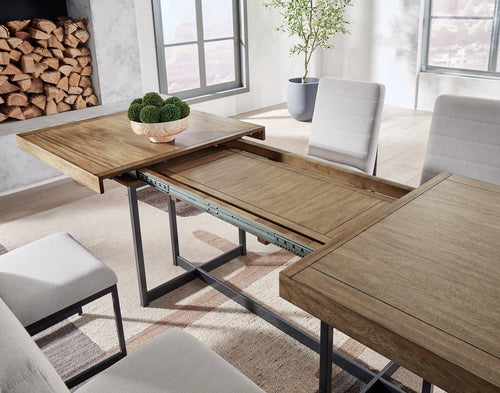
The right dining room furniture helps create a space that feels comfortable and easy to use every day. NY Furniture Direct offers dining tables, chairs, and complete dining sets designed to support both daily meals and special occasions. Each piece is selected with comfort, durability, and practical design in mind.
Find dining room furniture that matches your space and your lifestyle. With the right choices from NY Furniture Direct, your dining room becomes a place where meals are more enjoyable, and gatherings feel more natural.