
 A dining table sits at the heart of daily life. It hosts morning coffee, remote work meetings, children’s homework, family dinners, and the occasional weekend project. In 2024, with more people working from home and households demanding more from their furniture than ever before, a table faces constant use that can quickly expose the difference between quality and compromise.
Here’s the reality: a durable table typically lasts 10 to 20 years or more, while cheap, low-quality alternatives often need replacing every 3 to 5 years. That gap in lifespan creates a significant difference in what you actually spend over time. This article focuses on the real, concrete ways a durable table saves money, fewer replacements, lower repair costs, a stable style that doesn’t demand redecorating, and better resale value when you eventually move on. Whether you’re furnishing a family dining room or setting up a small café or home office, understanding these long-term savings can help you stretch your furniture budget much further.

The True Cost of a Table: Upfront Price vs Lifetime Cost
The sticker price of a table tells you almost nothing about what it will actually cost you over the years. A more useful concept is the cost per year of use, which divides the purchase price by the number of years the table remains functional and presentable in your living space.
The key benefits of choosing a durable table include long-term savings, fewer replacements, and better value for money, making it a smart investment for your home.
Consider a straightforward comparison. A budget dining table priced at £180 might seem like a bargain, but if it starts wobbling, the veneer peels, or the surface becomes permanently stained after just three years, you’re effectively paying £60 per year for that table. Now compare that to a solid wood dining table at £750 that lasts 15 years with proper care. That works out to £50 per year, less than the cheap option, despite costing more than four times as much upfront.
Let’s make this tangible with a worked example. Suppose you purchase a dining table in 2024 for your growing family. A flimsy flat-pack table at £200 needs replacing in 2027, again in 2030, again in 2033, and once more in 2036 before 2039 arrives. That’s four replacements totalling £1,000 in purchase costs alone, plus repeated delivery fees (perhaps £30 each time), assembly time, and the hassle of disposing of the broken tables. Meanwhile, a durable table bought in 2024 for £800 is still standing strong in 2039, having cost you nothing beyond the original purchase and perhaps a tin of furniture oil every couple of years.
Hidden costs with cheap tables add up quickly. Emergency replacements when the table fails during a busy period, delivery fees for each new purchase, time spent researching and shopping again, tools for assembly, and disposal costs for the old table all contribute to a total that often exceeds the price of a quality piece bought once.
How Durability Saves Money in Everyday Life
Durability in practical terms means a table that resists scratches, warping, wobbly legs, water stains, and loose joints. It means a table surface that can handle daily life without showing immediate signs of damage and without requiring constant worry about protection.
Think about what a table endures in a typical 2024 household. Children doing arts and crafts with paint, glue, and scissors. Laptops and monitors are set up for remote work, sometimes for eight hours a day. Hot dishes are placed directly on the surface during busy dinners. Coffee cups are left without coasters during morning meetings. Teenagers are carrying heavy textbooks and stationery for exam revision. Guests resting their elbows and drinks during dinner parties when you’re entertaining guests. A durable material like solid wood or ceramic can handle this wear and tear without lasting damage.
Common failures in cheaper tables force early replacement. Veneer tables often suffer from peeling edges after a few years of use, especially in high-traffic areas. Bent metal frames on budget pieces become wobbly and unsafe. Particle board tops absorb moisture from spills and swell, creating an uneven table surface that no longer functions properly. Each of these failures means shopping for a replacement sooner than planned.
Consider some concrete scenarios. A spilled coffee in a home office might leave a permanent ring on a cheap laminate surface, but wipes away with only a damp cloth on a well-finished solid wood top. Heavy textbooks stacked by a teenager might cause a thin veneer to crack, while a proper hardwood table shrugs off the weight. Moving house once or twice over a decade, lifting, loading, and transporting, would likely damage a flimsy table beyond use, while a sturdily built piece survives relocation without issue.
Key Features That Make a Table Durable (and Worth the Money)
Durability doesn’t come from any single feature. It emerges from high-quality materials, solid construction, and protective finishes, all working together to create a table that can handle years of daily use without failing.
When examining dining table materials, look for solid hardwoods like oak, maple, beech, or walnut. These natural grain patterns develop character over time rather than showing damage. High-pressure laminate over a quality core can also provide excellent durability at a lower price point. Ceramic or sintered stone tops represent a more modern option with exceptional scratch and heat resistance, able to handle hot plates and hot dishes without marking. The table's appearance is also shaped by your material choice, impacting the visual style and how well the table fits with your interior design.
Construction details matter enormously for long-term durability. Look for thick, stable top boards in the range of 25 to 40 millimetres. Strong joints such as mortise-and-tenon or reinforced metal brackets will outlast glued or stapled assemblies by decades. Cross-bars or stretcher rails between table legs add stability and prevent wobbling, even after years of chairs being pulled in and out.
Table shape, whether rectangular, round, oval, or square, affects both the table's appearance and its functionality in your dining space. The shape of a bespoke dining table influences the overall room flow and how people interact during meals, making it an important design choice for both aesthetics and usability.
Protective finishes complete the picture. Hardwax oils penetrate wood to protect from within while allowing easy refinishing. Quality lacquers create a scratch-resistant surface that resists the daily contact of plates, cups, and laptops. Durable laminates offer stain-resistant and hygienic surface properties that make cleaning simple.
Weight and stability deserve attention, too. A heavier, well-balanced table is less likely to wobble or shift when someone leans on it. It’s also less prone to damage from being accidentally knocked or moved often. When browsing product descriptions and photos, note the stated weight and look for indicators of substantial construction.

Solid Wood Dining Table Choices That Stand the Test of Time
Solid wood has served as the preferred table material for centuries, and with good reason. Unlike other materials, wood tables can be sanded and refinished when they accumulate dents and scratches, effectively resetting the clock on their natural beauty. A solid oak dining table that shows years of use can be restored to near-new condition with a weekend of work, something impossible with cheap alternatives.
Contrast this durability with low-grade chipboard covered in a thin layer of veneer wood. These materials may look acceptable initially, but they cannot withstand the realities of daily use. Moisture from spills causes chipboard to swell and warp. Veneer chips and peels at the edges. Once damaged, these materials cannot be repaired, only replaced. Reclaimed wood offers similar longevity to new solid wood while adding character and supporting sustainability efforts.
Modern durable options extend beyond traditional furniture choices. Ceramic and sintered stone tops provide exceptional resistance to scratches, heat, and stains. You can place a hot pan directly from the oven onto a ceramic surface without leaving a mark. These materials also resist knife scratches, making them practical for households where the dining table doubles as a food preparation space.
Ceramic dining tables are crafted from natural clay and minerals, making them a sustainable and environmentally friendly choice for your home. They are free from harmful chemicals commonly found in other materials, ensuring a safe dining experience for the whole family. Additionally, the production of ceramic tables involves minimal processing and energy consumption compared to options like plastic or metal, making them ideal for environmentally conscious consumers.
A bespoke dining table is a handcrafted piece tailored to your space, style, and lifestyle needs. Bespoke tables offer unmatched quality, individuality, and durability compared to mass-produced options. Investing in a bespoke dining table means bringing a unique, high-quality piece into your home that will stand the test of time. You can customise every element, ensuring it perfectly suits your home and lifestyle, and bespoke dining tables can be crafted from various materials, including solid wood, natural stone, and modern composites. When choosing bespoke or handcrafted tables, supporting local artisans is important; not only does it highlight their craftsmanship, but it also positively impacts the local economy and promotes responsible consumer choices.
Combining a durable top material with sturdy metal or solid wood bases can balance cost and longevity effectively. An oak top on steel legs, for instance, might cost less than an all-hardwood construction while still providing decades of service in your dining room.
Construction Details to Check Before You Buy
When shopping online or in-store, knowing what to look for in construction can prevent expensive mistakes. Start by examining photos for frame design, leg fixing methods, and support rails. Quality manufacturers typically show the underside of their tables, confident in the construction they’re revealing.
Removable bolted legs with quality hardware last longer and are easier to maintain than flimsy push-fit designs. Over time, all leg connections can loosen slightly from regular use, pulling chairs in and out, people leaning on the table, and occasional bumps during cleaning. With bolted connections, you simply re-tighten every six to twelve months with a basic spanner. Push-fit legs, once loose, often cannot be properly fixed.
Longer tables in the range of 180 to 220 centimetres require additional support to prevent sagging over time. Look for centre supports, under-frame bracing, or cross-rails that distribute weight evenly across the table’s length. Without this reinforcement, even solid wood can develop a slight bow after years of supporting dishes, elbows, and whatever else your household places on it.
Where possible, test tables in person. Apply pressure to different points on the surface and check for any wobble or flex. Look at weight limit specifications in product descriptions. A table rated for heavier loads will generally offer more robust construction throughout.
Fewer Replacements, Fewer Costs: Long-Term Savings Over 10–20 Years
The replacement cycle of cheaper tables creates a hidden drain on household and business finances. When a budget table fails every 3 to 5 years, you’re not just paying for a new table; you’re paying all the associated costs repeatedly throughout the decade.
Consider a family purchasing a dining table in 2024 with the expectation of staying in their home through 2039. A flimsy table at £250 might last until 2027 before the legs become dangerously wobbly. Replace it with another similar table, and you’re shopping again by 2031 when the surface becomes too damaged to clean properly. A third replacement around 2035 brings the total to three purchases before the fifteen-year mark. At £250 each plus delivery fees of £35, plus the time spent shopping and assembling, plus potential disposal costs, the total easily exceeds £900 before considering the value of your time.
A durable table purchased in 2024 for £700 remains in place through 2039 with only occasional maintenance. The initial outlay is higher, but the fifteen-year cost is £200 lower, and you’ve avoided the frustration of multiple shopping trips, deliveries, and assembly sessions.
Each replacement also triggers potential additional spending. A new table might not match your existing chairs, prompting an unplanned chair purchase. The dimensions might differ slightly, requiring new placemats or a different rug. These cascading costs rarely feature in the initial decision but add significantly to the total.
A small café that upgraded to durable tables reported avoiding four replacement cycles during a busy decade, saving not just purchase costs but the disruption of closing for furniture swaps during trading hours.
Maintenance: Low-Effort Care That Protects Your Investment
Durable tables often require surprisingly little maintenance to remain in excellent condition for decades. Simple care routines costing almost nothing in money or time can add years to a table’s longevity and preserve its aesthetic appeal.
Typical low-cost maintenance for solid wood tables includes wiping spills promptly before they can penetrate the finish, using placemats under hot dishes, applying a thin coat of oil once or twice a year, and tightening bolts or screws every six to twelve months. These activities take minutes and cost only a few pounds annually for basic supplies. A soft cloth and occasional furniture oil represent the entire maintenance kit needed.
Compare this minimal effort to the frustration of trying to repair cheap tables when they fail. Peeling laminate cannot be properly reattached, and attempts at gluing create bubbles and uneven surfaces. Stripped screw holes in particle board cannot hold new screws securely. Warped tops cannot be flattened. These “repairs” rarely work and usually just delay the inevitable replacement by a few months.
The time comparison tells its own story. A few minutes of care each week over a decade totals perhaps twenty hours. A single table replacement, researching options, travelling to showrooms, arranging delivery, assembling the new piece, disposing of the old one, easily consumes an entire day. Multiply that by the three or four replacements a cheap table demands over the same period, and the durable option saves you days of hassle while costing less.
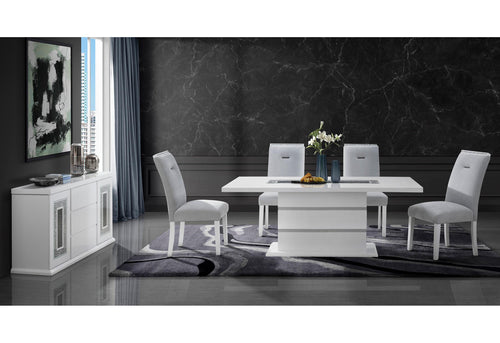
Everyday Habits That Extend Table Life
Simple daily habits cost nothing but can add several years to a table’s usable life. These practices prevent specific forms of damage that gradually degrade even well-made furniture.
Using coasters under drinks prevents moisture rings from forming on wood surfaces. Even with quality finishes, condensation from cold glasses can gradually penetrate protective layers and leave permanent marks. Coasters eliminate this risk entirely.
Avoiding standing or sitting on the table prevents stress fractures in joints and potential warping of the top surface. Tables are designed to support dishes and a reasonable weight distributed across their surface, not concentrated loads from body weight.
Lifting rather than dragging the table when moving for cleaning or rearranging prevents damage to legs and floor fixings. Dragging puts lateral stress on leg joints that they’re not designed to handle repeatedly.
Keeping tables away from radiators and direct sunlight prevents warping from temperature changes and fading from UV exposure. Wood naturally expands and contracts with temperature and humidity changes; extreme or rapid changes can cause splitting.
Using trivets or mats under hot plates protects finishes from heat damage. Even heat-resistant finishes have limits, and consistent protection prevents gradual degradation.
These habits require no special equipment or expense, just mindfulness about how the table is used daily.
High Traffic Areas: Why Durability Matters Most Where Life Happens
In every home, the dining table often becomes the true focal point of high-traffic areas, where family meals, homework sessions, celebrations, and daily routines all converge. In these busy spaces, durability isn’t just a bonus; it’s essential. The constant flow of people, plates, and activities means your table must withstand significant wear and tear while still looking beautiful and inviting.
A solid wood dining table stands out as an excellent choice for these high-traffic areas. Not only does solid wood offer natural beauty and timeless appeal, but it also provides the strength and resilience needed to resist scratches, stains, and everyday bumps. Solid wood tables crafted from reclaimed wood or responsibly managed forests bring an added layer of sustainability, helping to reduce the carbon footprint of the furniture industry while supporting sustainable forestry practices. These tables are more than just a piece of furniture; they’re a wise investment in both your home and the environment.
When selecting the perfect dining table for a high-traffic dining space, consider the table’s shape and size. Round or oval tables are particularly well-suited for busy areas, as they encourage conversation, eliminate sharp corners, and make it easier to adjust seating arrangements for guests. This flexibility can help you save money by reducing the need for extra furniture, while also creating a warm, welcoming atmosphere in your dining room.
While solid wood is a top choice, other materials like veneer wood can also offer durability and a cost-effective solution for high-traffic areas. However, veneer tables may not provide the same level of aesthetic appeal or longevity as solid wood. If you’re looking for sustainable furniture, consider options made from recycled materials or wood sourced from responsibly managed forests. These choices not only minimize greenhouse gas emissions but also support the use of sustainable materials in the furniture industry.
Key features to look for in a dining table for high-traffic areas include a scratch-resistant surface, a durable material that can handle daily use, and a design that blends seamlessly with your interior style. A high-quality dining table made from solid wood or other sustainable materials will serve as a lasting focal point in your living space, perfectly complementing your décor while standing up to the demands of everyday life.
To keep your table looking its best, maintenance is simple: use only a damp cloth to clean the surface, and avoid placing hot dishes or items directly on the finish to prevent damage. By following these easy care tips and choosing a table designed for durability, you’ll enjoy many years of beautiful, functional use, making your investment pay off in both savings and satisfaction.
Ultimately, selecting a durable and sustainable dining table for your high-traffic areas ensures your dining space remains both stylish and practical, supporting your family’s needs while minimizing environmental impact. With the right table, you create a living space that’s ready for anything life brings, today and for years to come.
Stable Style: How a Long-Lasting Table Reduces Re-Decorating Costs
A well-designed, durable table often features neutral styling that adapts to changing interior design trends without looking dated. This flexibility reduces the urge to replace furniture simply because tastes have evolved, keeping more money in your pocket over the years.
A simple oak table with clean lines fits the minimalist style popular in 2024 while also working with warmer, more traditional furniture aesthetics that may cycle back into fashion. Materials like glass or sintered stone offer a sleek and modern look that can blend seamlessly with a variety of interior styles, enhancing both contemporary and classic spaces. A sleek modern dining table with a black metal base blends seamlessly with industrial decor and contemporary sleek modern designs alike. These versatile pieces serve as a focal point in your dining space, regardless of how you update surrounding elements.
The financial benefit becomes clear when you consider what’s easier and cheaper to update. Chairs, textiles, lighting, and paint colours can all be refreshed at modest cost to change the feel of a dining room. Replacing the central table is far more expensive and disruptive. By choosing a durable table with timeless elegance, you can refresh your interior style repeatedly without touching your largest furniture investment.
Consider how your personal style might evolve over the next decade. A table with classic proportions and quality materials will likely remain appropriate through multiple redecoration phases, while a trendy or unusual design might feel dated within a few years. The saved cost of not replacing a statement piece adds up significantly over a decade of interior updates.
Resale and Reuse: Recovering Value From a Durable Table
Higher-quality tables retain meaningful value on the second-hand market, while cheap flat-pack furniture typically becomes worthless the moment it’s assembled. This resale potential represents a final layer of financial protection when you invest in durability.
A solid oak table purchased in 2024 remains attractive to buyers on resale sites and local marketplaces in 2030 or beyond. Both solid wood and ceramic tables hold their value because buyers understand these materials last. The natural beauty of aged wood or the pristine condition of well-maintained ceramic commands prices that can recover a significant portion of the original investment.
Durable materials also support reuse and repurposing. An old dining table can become a large desk for a home office. A round or oval table that no longer fits in a dining room might serve perfectly in a conservatory or workshop. Solid wood legs can be refinished and attached to new tops. These options keep the value of raw materials in use rather than sending them to landfill.
Even donation becomes a genuine option with quality furniture. Charity shops and community organisations welcome durable tables that will serve new families for years. Cheap furniture, often damaged beyond repair, simply becomes waste. The sustainability angle, reduced carbon footprint, fewer demands on natural resources, and lower greenhouse gas emissions from the manufacturing process add ethical weight to the financial logic.
When you choose a durable table, you’re not just buying furniture, you’re acquiring an asset with residual value, whether through resale, repurposing, or the simple satisfaction of passing quality furniture to the next generation.
When to Spend More: A Simple Checklist for Smart Buyers
Not every situation demands a high-end table. Short-term rentals, student accommodation, and genuinely temporary living arrangements might reasonably prioritise low upfront cost over longevity. But for most family dining rooms, home offices, and small businesses, investing in durability makes clear financial sense.
Ask yourself how many years you expect to use this table. If the answer is five years or more, durability starts paying dividends. Consider daily usage intensity, a table used for three meals and several hours of work each day faces far more wear and tear than one used occasionally for weekend dinners. Count the number of regular users; a household of five puts more stress on furniture than a couple living alone. Think about your likelihood of moving soon and whether a quality table will fit future homes as well as your current living space.
For growing families, the case for durability is especially strong. Children grow quickly, and their activities evolve from finger painting to homework to laptop use over just a few years. A durable table handles all these phases without showing excessive damage. People working from home three or more days a week should similarly prioritise durability, as their table functions as both dining space and office throughout each day.
Small businesses with steady customer traffic, cafés, co-working spaces, and meeting rooms benefit enormously from durable tables. The cost savings from avoiding frequent replacements, combined with the professional appearance of quality furniture, creates clear return on investment. A wise investment in furniture design that prioritises longevity over fashion pays dividends year after year.
Balance your 2024 budget against realistic plans for the next five to ten years. The perfect dining table isn’t necessarily the most expensive one, but it’s rarely the cheapest either. Look for key features like solid construction, durable materials, and finishes suited to your household’s actual use patterns. Consider whether the table perfectly complements your current decor and whether it will adapt to future changes.
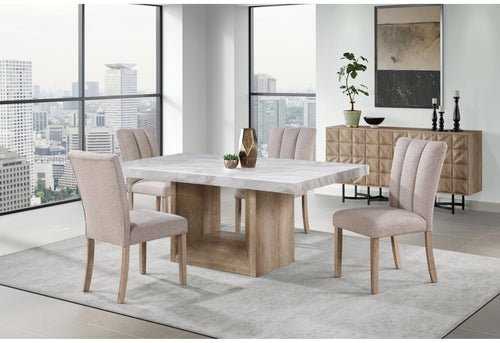
Conclusion: A Durable Table as a Long-Term Financial Strategy
Choosing a durable table delivers savings across multiple dimensions. The cost per year of ownership drops significantly when a quality piece serves for fifteen years instead of three. Replacement cycles that drain household budgets simply don’t occur. Minimal maintenance tips keep the table in excellent condition without ongoing expense. Stable, classic styling eliminates the urge to replace furniture just to match new trends. And when you eventually move on, resale or repurposing recovers value that cheap tables could never retain.
A durable table purchased in 2024 isn’t just a piece of furniture; it’s a decade-long financial strategy that supports both your budget and sustainability efforts by reducing waste from the furniture industry. The significant advantages extend beyond your wallet to encompass resource efficiency, reduced energy consumption, and minimal environmental impact from repeated manufacturing and disposal cycles.
The next time you compare table options online or in-store, look past the sticker price to the cost per year of ownership. Examine table materials, check construction details, and consider how the piece will serve your household through the years ahead. A durable table represents not just a smart purchase but a commitment to quality that saves money, reduces waste, and delivers daily satisfaction for years to come.
Get Your Dining Room Furniture at NY Furniture Direct Today
 Your dining room is a place to gather, share meals, and create lasting memories. At NY Furniture Direct, our dining room furniture collection includes tables, chairs, and complete sets designed for comfort, style, and everyday use. Each piece is crafted to help you build a functional and inviting dining space.
Explore our dining room furniture selection today and find the perfect set for your home. Whether you’re updating an existing dining area or furnishing a new space, NY Furniture Direct offers options that combine practicality, durability, and timeless style.